
You may be surprised to find that Sleep Apnoea is a very common sleep disorder. The problem is it is also regularly underdiagnosed. Some healthcare professionals estimate that as many as 80% of cases go undiagnosed, which is not surprising, given the fact that those affected are asleep when the disturbances occur.
In addition, several coexisting symptoms, such as headaches, excessive tiredness, high blood pressure, poor concentration and memory difficulties, can very easily be passed over as occasional, rather than regular symptoms.
Of course, many common situations can lead to disturbed sleep, and this is not unusual, especially in today’s busy world. It’s important to try and exclude factors which may contribute to poor sleep, such as poor bedtime routines, eating late, and too much screentime or over exercising, close to bedtime.
However, when simple explanations do not seem to suffice, it might be worth asking: Could it be Sleep Apnoea?
What is Sleep Apnoea?
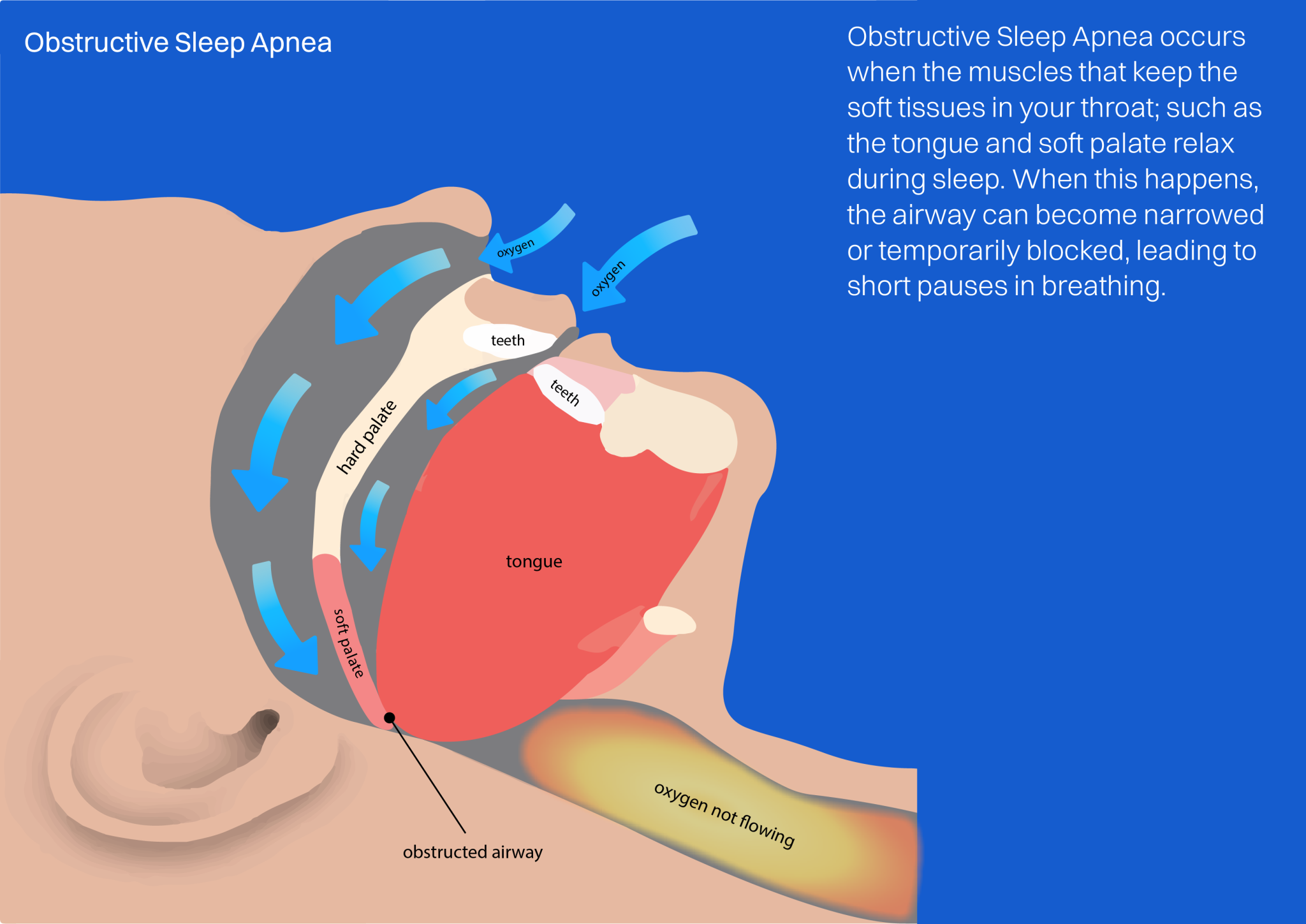
Sleep Apnoea is a condition which causes pauses in breathing while sleeping. These interruptions can occur several times a night. When this happens, the body is oxygen deprived. The apnoeas are caused by airway obstruction which may be localised to the Oropharynx (throat) or Central Sleep Apnoea, a more complex condition.
Over time, untreated Sleep Apnoea can cause cardiovascular and metabolic health issues, excessive tiredness, changes in weight, all causing increased strain on health, amongst several other health conditions.
Sleep‑disordered breathing often presents through symptoms such as loud or persistent snoring, gasping and/or choking during sleep, pauses in breathing, waking with headaches or a dry mouth, daytime tiredness, difficulty concentrating, unexplained high blood pressure, and frequent awakenings during the night.
Many people with Sleep Apnoea wake up feeling unrefreshed, even after what seems like a ‘full night’s sleep’.
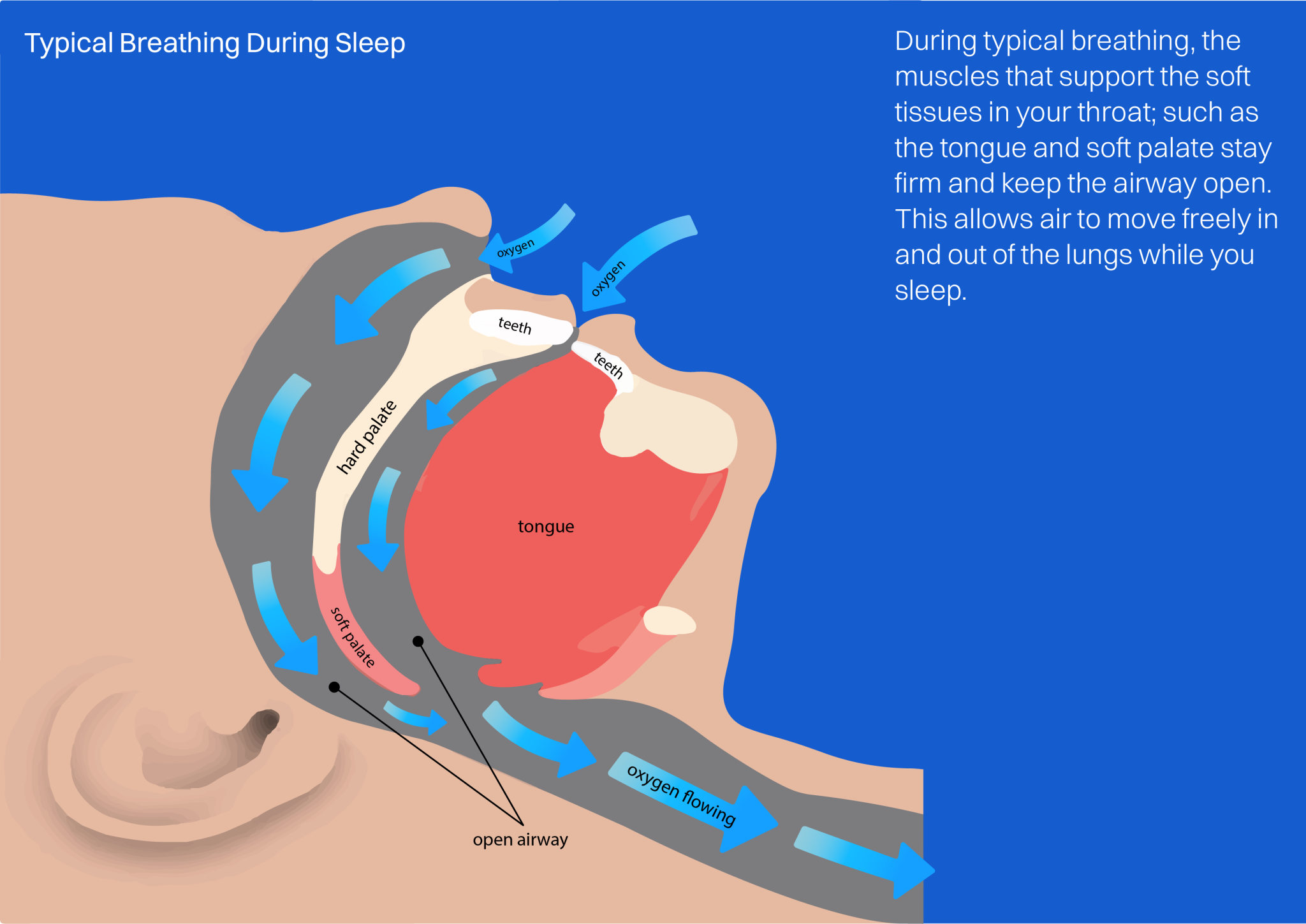
These symptoms can be distressing for both the affected person and their bedpartner, who is often the first person to notice that something is not right. Over time, deprived quality sleep causes many psychological and physiological health changes.
Fortunately, precise diagnosis and treatments are available to help diagnose, treat and regain restorative sleep.
C.P.A.P. (continuous positive airways pressure) is commonly the first line of treatment for many patients, especially those diagnosed with Severe Sleep Apnoea. An alternative treatment, Mandibular Advancement Device therapy has been prescribed for many years now as an alternative treatment, for those with mild and moderate Sleep Apnoea, with Snoring.
What Is a Mandibular Advancement Device system (MAD) and how can it help?
A Mandibular Advancement Device system, also known as Oral Appliance Therapy (OAT) is a custom‑made oral appliance treatment, designed to help people with Mild to Moderate Obstructive Sleep Apnoea, Primary Snorers and those who cannot tolerate C.P.A.P. (Continuous positive airways pressure therapy).
Mandibular advancement device therapy is a customized, adjustable, medical grade device system, which repositions the lower jaw, to support the upper airway during sleep, preventing airway collapse.
Oral appliance systems are an alternative for people who have Mild to Moderate Sleep Apnea, struggle to tolerate C.P.A.P. (Continuous Positive Airway Pressure) Therapy, experience nighttime teeth grinding (Bruxism) or those who suffer from chronic, disruptive Snoring. While many patients share similar symptoms, their specific needs may vary greatly.
A detailed clinical triage, detailed assessment and a personalized care plan are essential to achieving effective diagnosis and sleep health management: Managed, sustainable relief for Sleep‑Disordered Breathing.
Seeking the correct help is very important to clarify symptoms, diagnosing the precise details of the presenting sleep problem and providing appropriate treatment.
The first step is to make an appointment with your General Practitioner (GP) or your Health Care professional, discussing your symptoms in detail, giving as much clarity as possible is important, as this will inform the next step(s).
Your GP can then refer you to one of our Consultants in Respiratory Medicine, ENT or Dental Sleep Medicine, in the Beacon Consultants Sleep Health Clinic via email to Health Mail address: info@beaconshc.ie (a Health Mail address). Once your referral has been received, we will contact you as soon as possible to discuss an appointment.